Essay by Katheryn Lawson
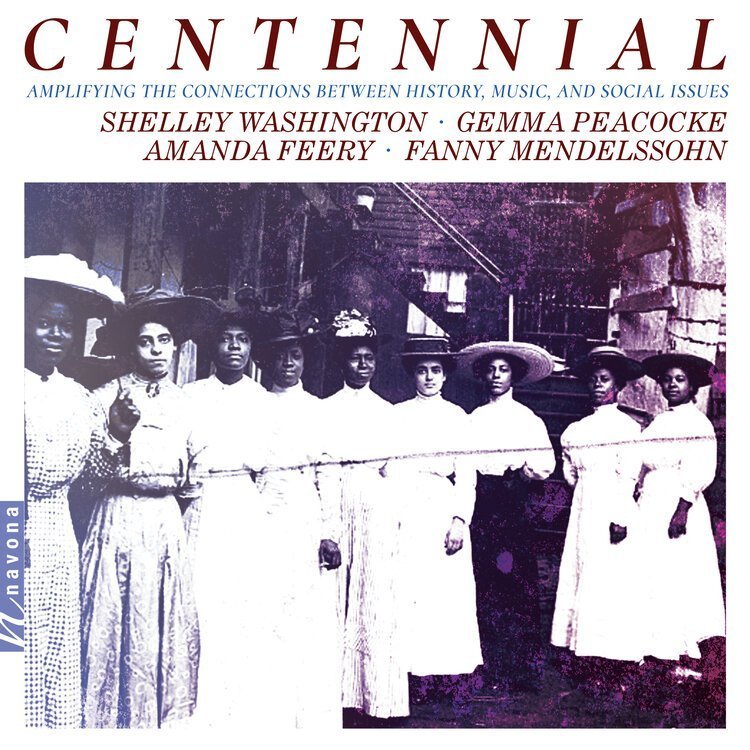
The 100-year anniversary of the Nineteenth Amendment feels like some kind of cause for celebration. But here, in this space, with these words and the sounds you’ll hear, we are not celebrating. This is a time to reflect on the false promises of the past and the present. And to fight for better. The 1920 amendment to the U.S. Constitution proclaimed that “the right of citizens of the United States to vote shall not be denied or abridged by the United States or by any State on account of sex.” White women enjoyed these rights long before women of color. The so-called rights of Black suffrage provided by the Fourteenth and Fifteenth Amendments (1868 and 1869) were regularly undercut by state and local practices like poll taxes, literary tests, and the grandfather clause. After 1924, when the U.S. severely limited migration through the quota system (the Johnson-Reed Immigration Act), citizenship was filtered through whiteness. In the historic case Ozawa v. United States (1922), Japanese were legally categorized as non-white, as other. Queer bodies were stopped at the nation’s many borders and outposts for fear of these persons “likely” becoming a “public charge.” Poll taxes and other forms of suppression were outlawed in the 1964 Civil Rights Act, which also created the Equal Employment Opportunity Commission. Indigenous tribes and nations continue to experience the ebb and flow of federal recognition, itself a contentious form of legitimacy. No. This is not a time for celebration.
I list these dates, yes, as a history lesson, but also to force us to see, hear, and feel the ways that these histories endure in the present. The bell of inequality, of the U.S.’s settler colonialism, was rung long ago. And it has yet to go silent. This project came to fruition in the midst of the Coronavirus pandemic. This historical and epidemiological moment revealed the harsh truths that many already knew. Asians and Pacific Islanders (American and not) faced new (but unoriginal) waves of racism, as China shouldered the blame for the virus. Disease supposedly doesn’t discriminate, but the health system does. Deaths among African Americans, Indigenous nations, Latinos, and migrants soar above white deaths. As Shay-Akil McLean—a Black transman and PhD candidate in Ecology, Evolution and Conservation Biology—so aptly articulated in 2017, “settler colonialism is the pre-existing condition.” White men wield assault rifles in their own stilted “civil rights” protest because they expect so-called expendable populations to deliver their God-given right to haircuts. No. This is not a time for celebration.
Release Date:
Artists: